
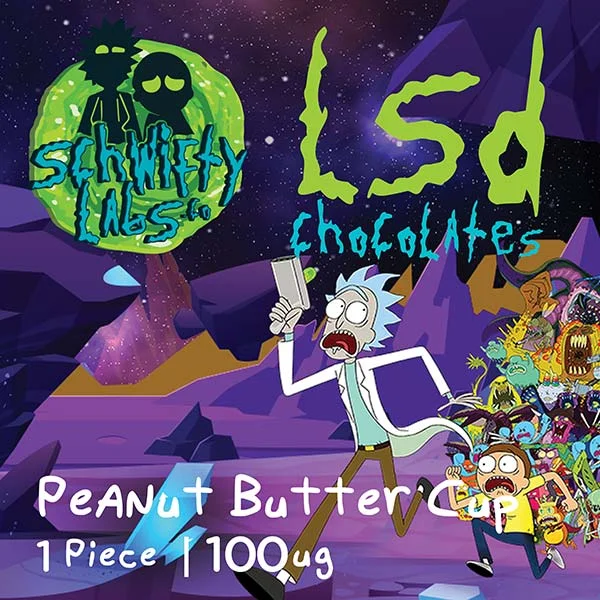
LSD edibles refer to food or candy products that are claimed to contain lysergic acid diethylamide (LSD), a powerful psychedelic substance that affects serotonin receptors in the brain. LSD is known for producing changes in perception, mood, thoughts, and sensory experiences. Because it is typically active in very small amounts, even slight differences in dosage can significantly affect the intensity and duration of effects.
The experience associated with LSD can vary widely depending on factors such as the individual’s mental state, environment, expectations, physical condition, and the actual amount of substance present. Reported effects may include visual distortions, altered sense of time, emotional changes, increased introspection, and unusual sensory experiences. Some people may also experience fear, confusion, anxiety, panic, or distressing psychological reactions.
LSD edibles can carry additional uncertainty because illegally produced or unregulated products may not contain accurate labeling. A product advertised as containing LSD may contain different substances, unknown concentrations, or contaminants. This makes it difficult to predict effects or assess potential risks.
Possible risks associated with LSD use include impaired judgment, accidents, intense anxiety reactions, psychological distress, increased heart rate, elevated blood pressure, and the worsening of certain mental health conditions. The effects can last for many hours, and unexpected experiences may be difficult to manage without a safe environment and appropriate support.
LSD is classified as a controlled substance in many countries and does not have general approval for recreational use. Research into psychedelic compounds continues in scientific settings, but medical applications require controlled conditions, professional supervision, and regulated studies.
Be the first to review “LSD Edible 100ug – Peanut Butter Cup – Schwifty Labs”
Related products




Reviews
There are no reviews yet.